It’s not AI that will replace you. It’s your competition using AI that will. ~Jensen Huang
Find a need and fulfill it. Successful businesses are founded on the needs of people. ~A. G. Gaston
It always looks impossible until it's done. ~Nelson Mandela
If you’re creating a company, it’s important to limit the number of miracles in series. Start with something that’s the most doable and then expand from there. ~Elon Musk
Concentrate all your thoughts upon the work at hand. The sun's rays do not burn until brought to a focus. ~Alexander Graham Bell
God, make me so uncomfortable that I will do the very thing I fear. ~Ruby Dee
The most difficult thing is the decision to act. The rest is merely tenacity. ~Amelia Earhart
Software being "Done" is like lawn being "Mowed". ~Jim Benson
A person with a new idea is a crank until the idea succeeds. ~Mark Twain
Everybody told me no at first, including my wife. I turned the nos into yeses and the disadvantages into advantages. ~John H. Johnson
The best way to make dreams come true is to wake up. ~Mae C. Jemison
This week I enrolled in the iOS Accelerated course offered by the Mobile Makers Academy. If you would like to do the same, mention my name and we’ll both receive a $300 discount on tuition.
Class starts on Jan 7, 2013. The evening lectures are convenient for those who serve clients by day.
Of course, a tuition discount and easy schedule are poor reasons to enroll in a course. This article will describe my reasons for enrolling. If your thirst for learning is anything like mine, you might like Mobile Makers too.
WisdomGroup is hiring a web design intern. Our current volume of work requires it. The ideal candidate will share our beliefs about design, summarized as…
Design is not just what it looks like and feels like. Design is how it works. ~Steve Jobs
Great design is functional and inspiring. Autodesk captures the idea in this ad from several years ago:
Raspberry Pi is a single-board computer roughly the size of a deck of cards. It’s equipped with an ARM processor that runs Linux. USB ports let you attach a keyboard and mouse. Video is supported via HDMI and RCA. Storage is handled by SD cards. There’s an Ethernet port.
You can buy a Raspberry Pi for $35.00.
Will it Run Ruby?
When my Raspberry Pi arrived, I was curious: Will it run Ruby? How about Rails? This article describes my experience with RVM, Ruby, and Rails on a Raspberry Pi, along with the “gotchas” I encountered along the way.
You are already familiar with the 80/20 rule. In the late 1800s an Italian economist discovered that 80% of the wealth in his country was owned by 20% of the people. More recently we find that the 80/20 rule applies in other areas of our lives. Professional service firms find that eighty percent of the revenue comes from twenty percent of the clients. Merchants find that eighty percent of sales comes from twenty percent of the products. Winners at the very top of any field tend to win by a large margin.
A skillfully executed business strategy is one path to victory. Many strategy books will tell business owners how to win at the expense of the competition, how to take market share away from the competition, and so on.
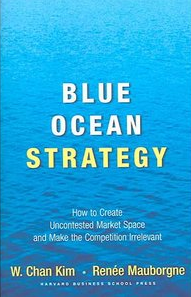
The book Blue Ocean Strategy proposes a non-typical path to victory over the competition. According to the authors, following a blue ocean strategy will make your competition irrelevant.




 This week I enrolled in the iOS Accelerated course offered by the Mobile Makers Academy. If you would like to do the same, mention my name and we’ll both receive a $300 discount on tuition.
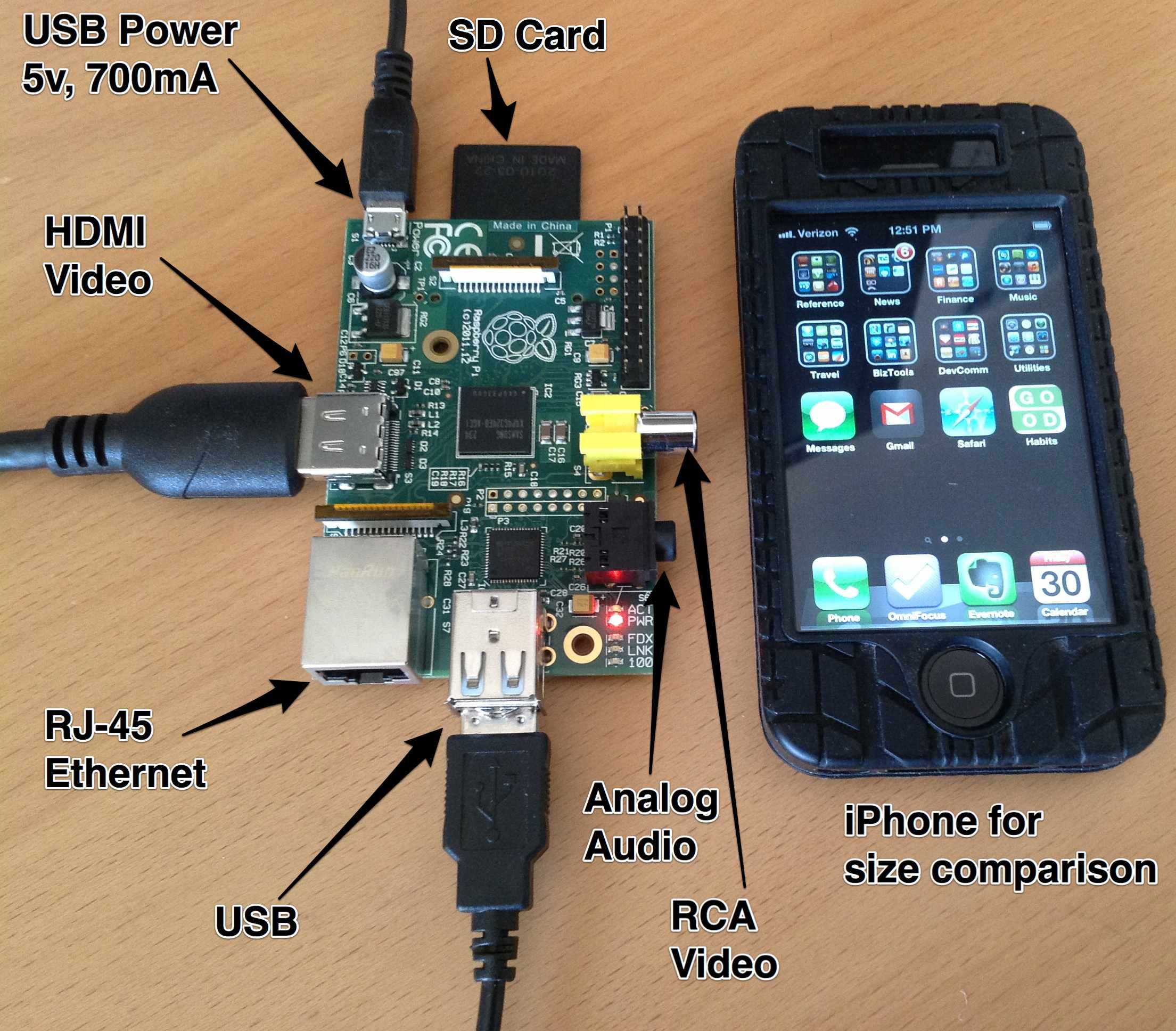 Raspberry Pi is a single-board computer roughly the size of a deck of cards. It’s equipped with an ARM processor that runs Linux. USB ports let you attach a keyboard and mouse. Video is supported via HDMI and RCA. Storage is handled by SD cards. There’s an Ethernet port.